
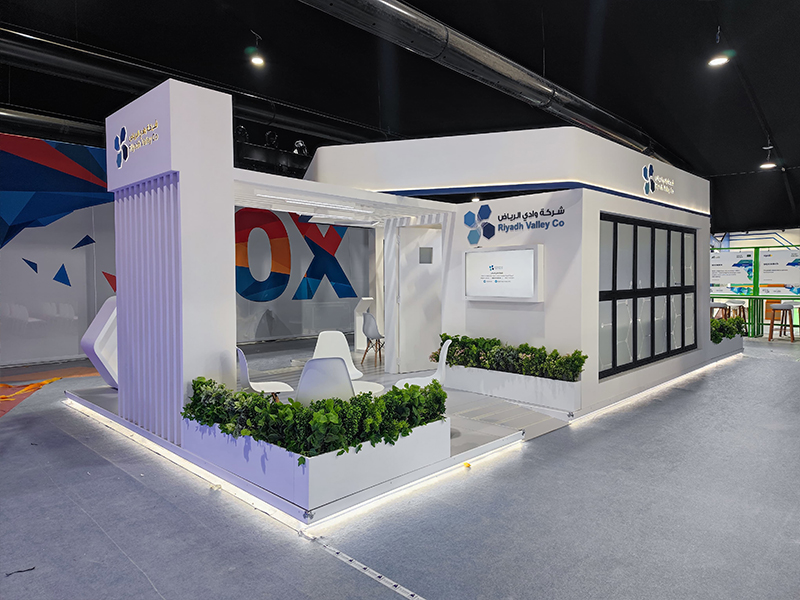
In today’s shopping world, the look and feel of a store matters more than ever. Customers expect more than just products, they want a space that feels fresh, welcoming, and worth visiting. Here retail fit out does the job. The right layout and design can shape how people shop, what they notice, and even how long they stay.
Warm and Natural Materials:
Stores are moving away from cold, polished surfaces and turning to materials that feel warm and real. Wood, stone, and soft fabrics are now more common, creating spaces that feel calm and easy to spend time in. This approach makes the store feel less like a showroom and more like a space you want to explore. The colors used often come from nature, earthy tones, soft greens, and warm neutrals.
Flexible Layouts That Keep Changing:
Retail spaces are no longer built to stay the same for years. Instead, shop owners want spaces they can change quickly. Moveable shelves, display tables on wheels, and adjustable lighting help store staff refresh the space often. This keeps the store feeling new, even for regular visitors. It also makes it easier to highlight different products during seasons, sales, or events.
Tech That Blends In:
Technology is part of shopping now, but it’s becoming less noticeable. Digital screens, smart mirrors, and self-checkout stations are being added in a way that doesn’t feel loud or forced. These tools help customers find what they need faster or try things in new ways, without turning the store into a gadget zone. The goal is to add comfort, not distraction.
Spaces That Invite You to Stay:
Stores are starting to feel more like hangouts than just places to buy things. Seating areas, coffee corners, and even small reading nooks are being added. The idea is to slow things down a little. If people enjoy the space, they’re more likely to stay longer, look around more, and come back again. These relaxed areas also give the store a more personal touch.
Designers are also bringing in local details, artwork, furniture, or even signs made by people in the area. This gives the store a sense of place and helps it connect with the community. Customers often notice these small touches, and they can create stronger ties between the store and the people who live nearby.