
Bridge fabrication is one of the most demanding areas of structural manufacturing, requiring precision engineering, specialized materials, and strict quality control. Every component must be fabricated to exact specifications to ensure the bridge can safely withstand heavy loads, environmental stress, and decades of continuous use.
From complex steel assemblies to advanced welding and inspection processes, specialized expertise is essential to deliver structures that meet safety standards and long-term performance expectations for metal fabrication industries UAE.
Strict safety standards:
Safety is the main goal for any bridge project. These structures must carry heavy cars and trucks every single day without failing. Experts follow very tight rules to ensure every part is strong. They use special tests to check for tiny cracks that the eye cannot see. This careful checking keeps the public safe and ensures the bridge stays standing for a long time.
Complex welding skills:
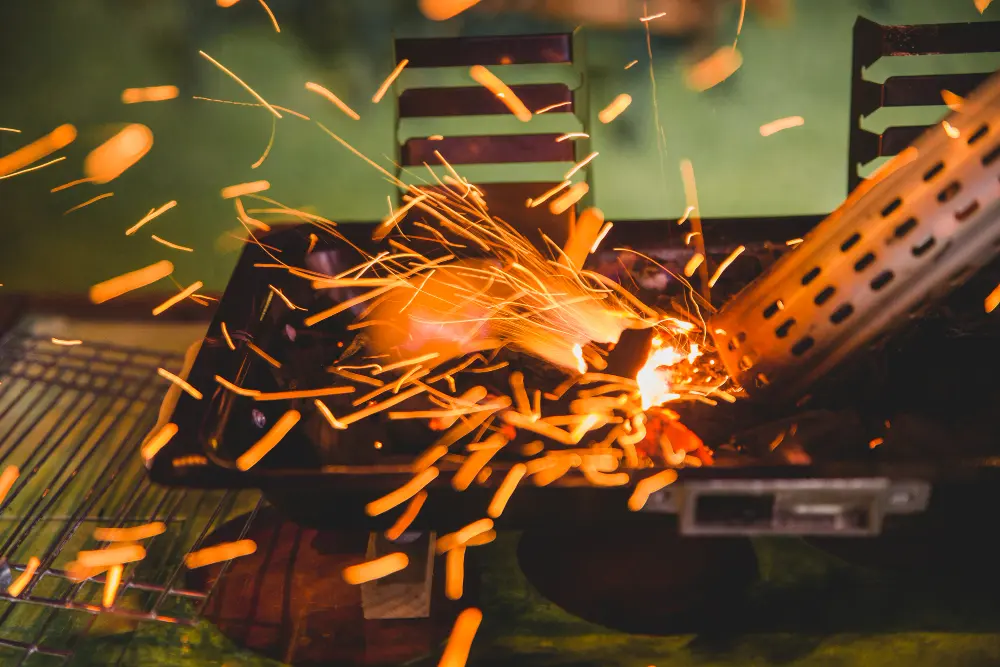
Connecting thick steel plates is much harder than basic shop work. The heat must be kept at the right level so the metal does not become weak or brittle. Specialized welders spend years learning how to make joints that can handle constant vibration. If a weld is poor, the whole structure might be at risk. High level welding is a core part of this expert work.
Handling outdoor elements:
Bridges live outside in rain, snow, and salt. Without the right coating, the steel would rust and fall apart quickly. Experts know which paints and seals work best for different climates. They apply these layers in controlled settings to stop corrosion before it starts. This knowledge helps the bridge last through many years of harsh weather without needing constant repairs.
Precision in every cut:
When pieces are hundreds of feet long, even a tiny mistake in measurement creates a disaster. Specialized shops use advanced tools to cut and drill steel with total accuracy. This ensures that when the parts arrive at the river or valley, they bolt together without any gaps. Accuracy at the shop saves time and prevents dangerous fixes during the actual setup phase.
Managing heavy weight:
Moving and shaping such heavy items is a skill on its own. It requires special cranes and tools that can lift many tons at once. Workers must know how the steel reacts when it is lifted or flipped. If handled wrong, the metal could bend or warp under its own weight. Only teams with the right gear and training can move these pieces safely.